How Veteran Mentors Help JROTC Cadets Develop Leadership Skills
Leadership involves more than just giving instructions and being in charge. It’s about taking responsibility, helping others, and being a good example. When developed, these qualities can help students in Junior Reserve Officers’ Training Corps (JROTC) programs succeed in school, college, and future careers.
The learning process is enhanced with veteran mentorship for JROTC students. It provides youth with practical advice, encouragement, and instruction not provided in the classroom. These relationships foster cadets’ confidence, discipline, teamwork, and responsibility.
1. Learning With Real Life Experiences
Veterans have been called upon to exercise teamwork, quick thinking and sound judgment in a variety of situations. Through their experiences, they assist cadets to gain an understanding of how leadership principles apply in real-world scenarios.
Mentors can learn how leaders manage to face challenges, learn from mistakes, and stay focused when they are under pressure. Through these discussions, students come to know that leadership is patient, prepared, and accountable. Veteran mentorship for JROTC students also demonstrates to cadets that respect is achieved by the individual action of the leader, not just the position or title.
2. Developing Confidence and Discipline
It takes a lot of encouragement to get young people to feel comfortable and to take responsibility. A veteran mentor can help cadets overcome the reluctance to speak up, take on leadership roles, and be involved in group activities.
In addition, veterans teach about the value of discipline in terms of being on time, prepared, and making consistent efforts. A series of small daily habits can lead to significant results for Cadets. Students are made more independent and confident in these lessons. They also help the cadets to be responsible for their own growth rather than relying on other people to manage them.
3. Enhancing Teamwork and Communication
Great leaders realize they have to do things through other people. They need to be able to listen to others, communicate clearly, and foster collaboration. In the JROTC, cadets are expected to collaborate with each other on various drills, competitions, community initiatives, and leadership opportunities. Experienced mentors can help students understand the significance of sharing responsibilities, honoring differences in a respectful way, and helping others when they are struggling.
They also give cadets an awareness of the importance of listening as well as speaking. An effective leader takes into account a variety of perspectives in decision-making. Students will utilize communication and teamwork skills in classrooms, out-of-classroom activities, and in the workplace.
4. Developing Integrity and Accountability
Honesty, fairness, and willingness to take responsibility are key factors of leadership. Veterans can share and explain the importance of these values with cadets through personal experiences and practical conversations.
Ask students to think about the impact their choices have on others and what to do when they make a wrong choice. Cadets do not hide problems or lay blame on teammates, but accept that mistakes have been made and are taking steps to correct them. Veteran mentorship for JROTC students helps develop the skills to keep promises, treat others fairly, and make ethical decisions despite challenges. These traits enable young people to develop trust and confidence, and to be reliable citizens in their schools and communities.
5. Planning for Future Opportunity
JROTC’s leadership skills can be applied to many careers. All of these skills – such as responsibility, communication, problem-solving – will continue to be useful for students in their higher studies, service in the armed forces, or civilian jobs.
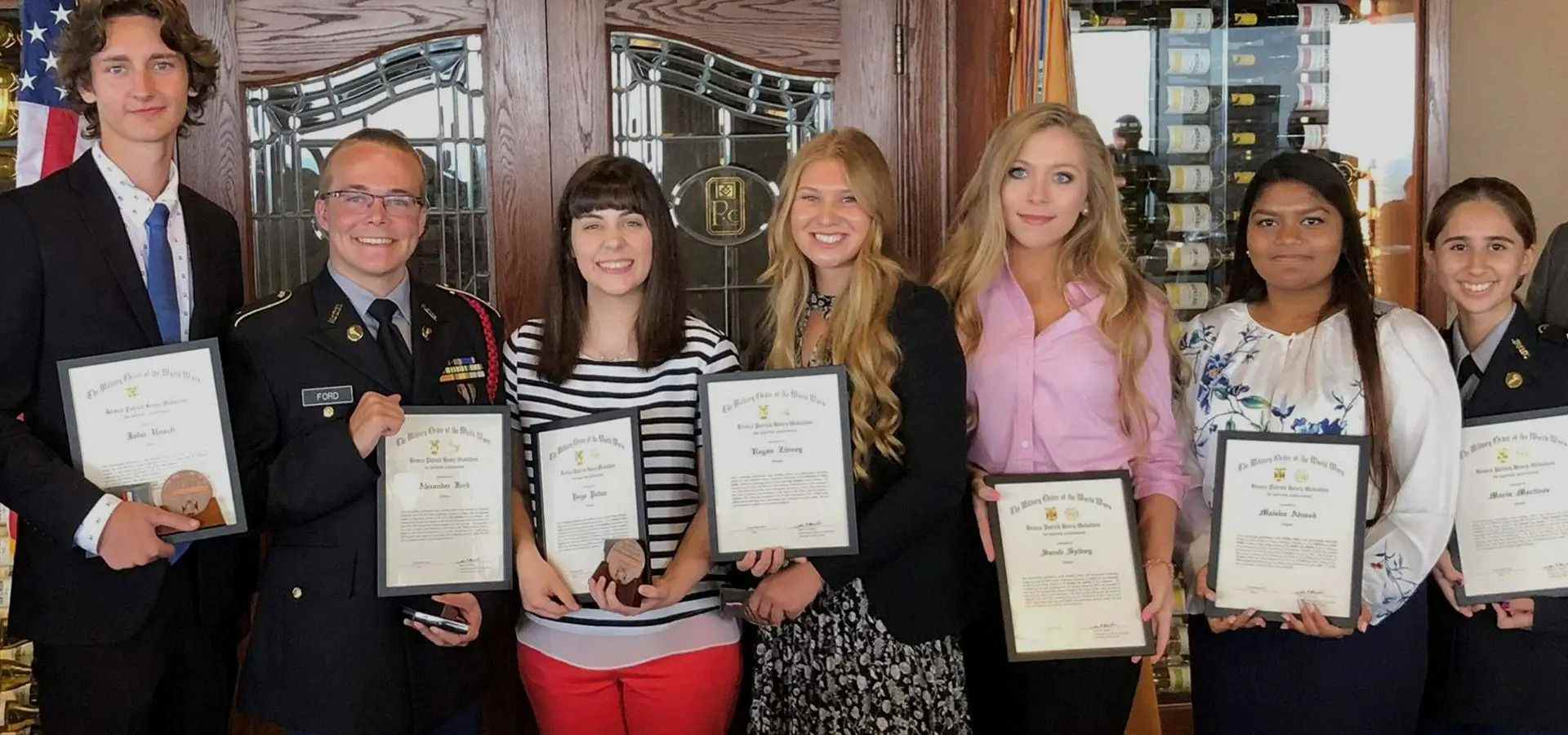
Veteran mentors can share advice about setting goals, exploring career options, and preparing for future responsibilities. Programs such as the MOWW youth leadership conference also help young people strengthen their leadership abilities, build confidence, and understand the importance of responsible citizenship. They may also inspire cadets to discover their strengths and learn to develop their weaker skills.
Mentorship doesn’t have to be a military career. Instead, it is designed to build students’ confidence and hands-on ability to make decisions about their future.
6. Encouraging Community Service
Serving others is a part of being a leader. Veterans should encourage cadets to get involved in community projects, volunteer opportunities, and projects that meet the needs of the community.
These experiences enable students to appreciate that there is more to leadership than their own successes. It also entails assisting others and contributing to the common good. Veteran mentorship for JROTC students helps to foster a greater understanding and appreciation for citizenship, service, and involvement in the community. They develop skills in initiative, working cooperatively with others, and identifying ways to make a positive contribution.
Key Takeaways
- Veterans share lessons learned and experiences.
- Mentors foster discipline and self-reliance as well as independent thinking.
- Cadets develop communication skills, co-operation skills, and conflict resolution skills.
- Mentorship promotes honesty, accountability, and ethical decisions.
- Leadership skills prepare students for education, careers, and community roles.
- Cadets learn how to help others and be a part of a community.
Summary
The experienced mentors guide the JROTC cadets in providing practical guidance, giving personal experiences and good examples to the cadets to help them develop their leadership skills. Their impact can influence the mindset of young people in areas like building confidence, working as a team, and serving the community. Well-trained mentors to JROTC students help the future generation of young leaders to lead with integrity, make informed decisions, and serve others.
Building Tomorrow’s Leaders With Veteran Mentorship for JROTC Students
Dallas MOWW understands the importance of proactively fostering responsible citizenship and youth leadership. Support leadership development programs and encourage young people to be confident, capable, and community-minded leaders. Join us today to build a better tomorrow.
Latest Posts
How Veteran Mentors Help JROTC Cadets Develop Leadership Skills
October 13, 2026