Honouring Our Heroes: A Closer Look at Dallas Cemeteries for Veterans
It’s not always easy to think about where we lay our loved ones to rest, but many families in Dallas try to find a place that feels calm and respectful, especially when honouring someone who served in the military. Veterans leave behind a story bigger than their years, and the places where they’re remembered carry a quiet kind of weight. Dallas has several cemeteries where people go to reflect, visit family, or simply take in the history written across the rows of headstones.
These grounds aren’t just burial sites. They’re places where generations of service members are remembered in their own way. Some families come often, some only during holidays, and others may stop by without knowing anyone buried there at all. Either way, these cemeteries hold memories that shape the larger story of the Dallas community.
Dallas-Fort Worth National Cemetery
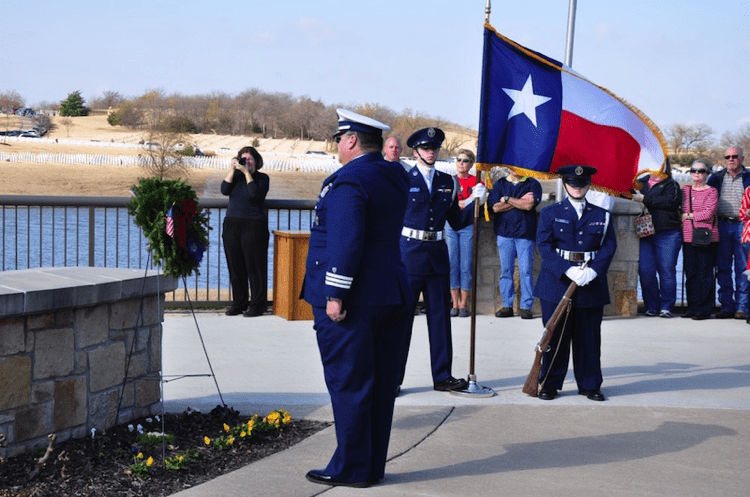
Anyone who has visited the Dallas-Fort Worth National Cemetery knows how striking it is. The space is huge, open, and incredibly peaceful. It sits near Mountain Creek Lake, so the water and the hills soften the whole area in a way that feels comforting, even for first-time visitors.
Because it’s a national cemetery, eligible veterans can be buried there at no cost to the family. That includes the plot, the opening and closing of the grave, and the government-issued headstone. Families often share that the support takes a big weight off their shoulders during a difficult time.
What tends to stand out most is the atmosphere. During Memorial Day and Veterans Day, flags line the rows, and volunteers show up in impressive numbers. But even on any ordinary afternoon, you’ll see people placing flowers, brushing leaves off a headstone, or just sitting in the quiet.
Sparkman-Hillcrest Memorial Park
Sparkman-Hillcrest is different in tone but meaningful in its own way. It has been a part of Dallas’ generations, which is one reason some families feel drawn to it. It’s not exclusively for veterans, but it has areas dedicated to those who served. The setting is a blend of older sections with long histories and newer spaces that show how the community keeps growing.
Families sometimes pick this cemetery because everything can be handled in one place, from services to burial arrangements. Others choose it because relatives are already there, and keeping loved ones close feels right. Visitors tend to mention how well the grounds are maintained and how the space brings a steady, familiar calm.
Restland Memorial Park
Restland Memorial Park is another spot that many Dallas families know. It includes a Veterans Garden designed specifically for service members. Over the years, Restland has become a place where people return again and again, sometimes just to walk through and sometimes to sit near the grave of someone they love.
Some veterans’ graves are marked with flags or small emblems showing their branch of service. You’ll notice flowers left by families and, every now and then, small handwritten notes that speak volumes. Restland’s long connection to the community gives it a sense of continuity that many people find comforting.
How Nonprofit Organisations Help Veterans and Their Families
The cemeteries themselves are important, but the work that surrounds them often falls to nonprofit groups. Across Dallas, several organisations like Dallas Moww, focus on supporting veterans long after their service ends. Some offer practical help, some focus on remembrance, and others step in to support families during moments when they need it most.
Their roles vary, but many nonprofits share a common goal: making sure veterans and their families never feel forgotten.
You’ll find groups that:
- Place wreaths or small flags on graves during holidays
- Help families who need assistance locating older burial sites
- Step in with financial help when a veteran’s burial costs become overwhelming
offer grief support programs - Organise volunteers to clean older grave markers or tidy up neglected areas
What these organisations do tends to fly under the radar, but their work reassures families that someone is looking out for their loved ones’ resting places.
Why These Places Matter to Families
Military service often runs through families like a thread. Many people have a parent, grandparent, sibling, or partner who has served. Because of that, choosing a cemetery isn’t only about logistics. It’s also about feeling that a loved one is being looked after, even when the family isn’t there.
Veterans’ cemeteries give families something steady to hold on to. They offer a quiet place to breathe when grief feels heavy. And for families who move away or can’t visit often, knowing that volunteers and cemetery staff help maintain the grounds can be a real source of comfort.
Nonprofits add another layer of support, especially for families stretched thin. When a group places a wreath on a grave or cleans up a headstone, it may seem simple, but to the family, it can mean everything.
Visiting These Cemeteries
Anyone can visit the cemeteries mentioned above, whether they’re honouring someone specific or simply passing through to learn more about the local history. A short walk between the headstones can be surprisingly grounding. You start noticing the ages, the dates, the symbols carved into the markers, and you realise how many stories are represented.
A few small guidelines help keep these spaces respectful:
- Follow the posted hours
- Keep conversations quiet and brief
- Avoid touching items left by families
- Stay mindful of children running or playing
- Try not to walk directly on headstones
These might seem like little things, but they help preserve the atmosphere for everyone who visits.
Holding On to Their Legacy
Dallas cemeteries for veterans are more than landmarks. They hold pieces of people’s lives, friendships, battles, and sacrifices. Each row of markers tells a different story, yet they all share a sense of dedication and service.
Visiting these places or supporting the nonprofits that care for them is a small way to keep those stories alive. Even a quiet moment spent standing by a grave or placing a flower can help carry someone’s memory forward.
Many people find that these cemeteries offer something different they expected. Maybe it’s a sense of calm, or a reminder that service leaves a lasting mark on families and communities. Whatever someone takes away from the visit, the experience often stays with them longer than they planned.
Latest Posts

How to Donate in Honour of a Veteran: Tribute Gifts & Memorial Donations
December 15, 2025